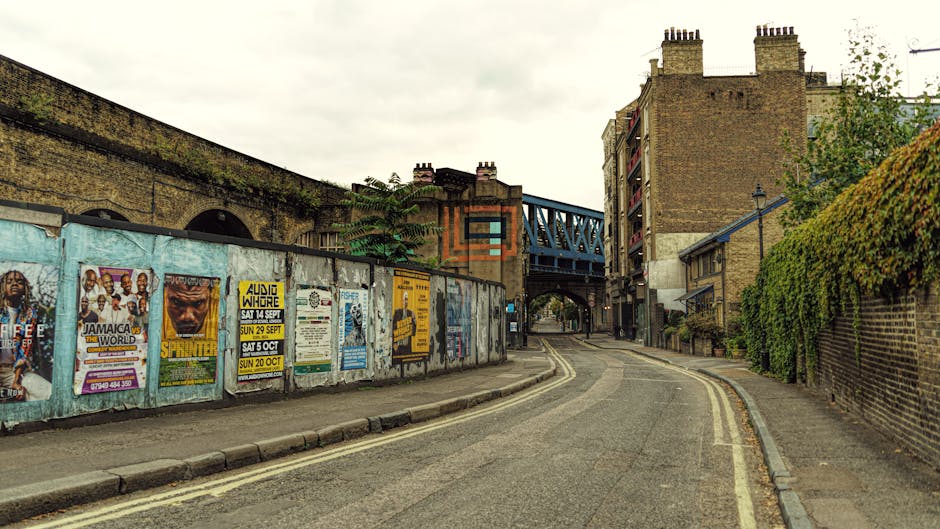
Jamaica Road bulky rubbish clearance guidance for SE16 residents
Posted on 27/08/2026
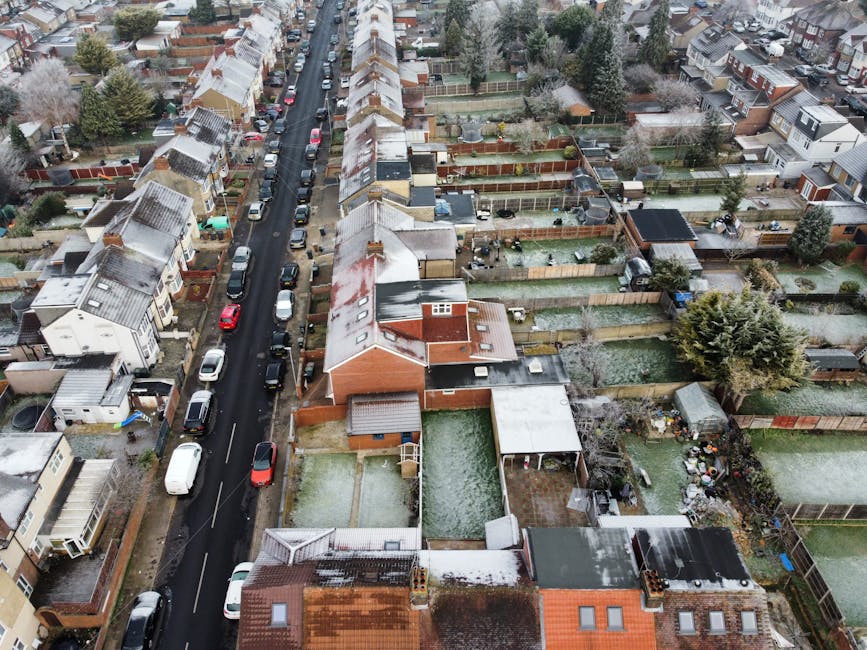
If you live near Jamaica Road in SE16, bulky rubbish has a way of building up faster than you expect. One spare chair turns into a sofa, a broken freezer waits in the hallway, and suddenly you are trying to work out what can go out, what needs special handling, and what is actually worth paying someone to remove. This guide gives you clear, practical Jamaica Road bulky rubbish clearance guidance for SE16 residents, so you can deal with large items without stress, delays, or avoidable mistakes.
Whether you are clearing a flat, refreshing a rental, moving out, or just reclaiming space in a packed Bermondsey home, the goal is the same: get rid of bulky waste safely, legally, and in a way that makes sense for your budget and timetable. Let's keep it simple and useful.
Why Jamaica Road bulky rubbish clearance guidance for SE16 residents Matters
Bulky rubbish is not just "extra stuff". In a place like SE16, where homes can be compact, stairwells are tight, and access can be awkward, large waste creates real friction. A wardrobe blocking the landing is annoying. A mattress left outside too early can become an eyesore. A fridge in the wrong place can become a safety issue. And, to be fair, nobody wants their front step looking like a mini depot.
This matters for residents near Jamaica Road because local living tends to reward planning. You may be in a flat above shops, a managed block, a terrace with limited storage, or a property where parking is already a bit of a gamble. That means bulky waste is often less about "throwing it out" and more about choosing the least disruptive route.
It also matters because bulky waste is one of those areas where people guess. That is where trouble starts. Some items can be reused or broken down. Others need separate handling. Some collections are fine if items are left neatly accessible; others require a booked service with the right vehicle, the right team, and proper disposal arrangements. Understanding the difference saves time and, often, money.
If you are also dealing with furniture, white goods, or a full property clearance, it can help to think in categories rather than individual items. For example, a sofa, table, and wardrobe may be handled differently from broken appliances or construction leftovers. Our service pages on furniture removal in Bermondsey and white goods and appliance disposal are useful starting points when the load is mixed.
Expert summary: The best bulky rubbish clearance in SE16 is usually the one that is planned before the items are moved. Measure, sort, separate, and book the right help early. That simple sequence avoids the usual mess.
How Jamaica Road bulky rubbish clearance guidance for SE16 residents Works
In practical terms, bulky rubbish clearance usually follows one of three routes: reuse, council collection, or private removal. The right choice depends on the item type, urgency, access, and how much lifting you want to do yourself. You do not need to overcomplicate it, but you do need a basic plan.
First, identify what you actually have. A dining chair and a broken chest of drawers are both bulky, but they are not identical in how they should be handled. A mattress may be straightforward. A fridge freezer may need more caution. Builders' offcuts are another story entirely. If you are sorting mixed waste, the details matter.
Second, think about access. Jamaica Road and the surrounding SE16 streets can involve narrow hallways, shared entrances, controlled parking, and busy foot traffic. That means "easy to move" on paper can become awkward in real life. Can the item be carried down stairs without damaging walls? Is there a lift? Will two people be enough, or is a larger team smarter?
Third, choose the disposal route. Many residents start by considering whether items can be reused, donated, or passed on. If that is not realistic, you then decide between a scheduled household collection or a dedicated bulky waste removal service. For regular domestic loads, a domestic waste collection service can be a practical fit. For larger moves or whole-room clear-outs, a house clearance service is often the cleaner option.
And yes, timing matters. Book too late and you may end up living around the waste for days. Book too early without sorting first and you can pay for space you do not need. There is a sweet spot, and it usually sits somewhere in the middle. Funny how that happens with most life admin, really.
Key Benefits and Practical Advantages
Good bulky rubbish clearance is not just about getting rid of clutter. It has real practical benefits that show up immediately in daily life.
- More usable space: Clearing one bed frame or sofa can instantly change how a room feels.
- Less stress: You stop stepping around items and mentally "noticing" the mess every time you walk past it.
- Safer access: Hallways, stairs, and entrances become easier to use, which matters in shared buildings.
- Better presentation: Helpful if you are renting, selling, renovating, or preparing for visitors.
- Cleaner sorting: A proper clearance makes it easier to separate recyclable materials from general waste.
- Reduced risk of fly-tipping issues: Leaving bulky items in the wrong place, or for too long, can attract complaints or create problems for neighbours.
There is also the less obvious benefit: momentum. Once you clear the bulky items, the rest of the room often becomes easier to tidy. People notice it all the time. One cleared corner somehow turns into a clear room by the end of the afternoon. Not magic. Just less visual noise.
If you are trying to improve a rental, sell a flat, or prepare a property for new occupants, this can be especially valuable. A cleaner space photographs better, feels more presentable, and makes viewings simpler. For local property context, our guide to Bermondsey property buying and selling touches on how presentation can affect the whole process.
Who This Is For and When It Makes Sense
This guidance is for SE16 residents who have items too large for the normal bin system and too awkward to leave sitting around. That includes long-term homeowners, tenants, landlords, managing agents, and anyone dealing with a flat that has become a bit too full of "I might need that later" objects.
It makes sense when you have one or more of the following:
- Old furniture that will not fit in a lift or through a narrow hallway
- White goods that need safe removal
- Items left after a move, tenancy change, or renovation
- Garden items that are too bulky for regular waste collection
- Mixed household clutter from a loft, spare room, or storage cupboard
- Commercial items from a small office or shop near Jamaica Road
For businesses, the approach changes slightly. Shops, offices, and hospitality premises often need faster turnaround and more careful scheduling around opening hours. If that sounds familiar, a dedicated commercial waste removal service may be more suitable than trying to piece things together yourself.
It also makes sense when you are dealing with seasonal or project-based waste. Maybe you have been redecorating, or maybe a garden clear-out got out of hand after one sunny weekend. Truth be told, bulky rubbish tends to appear right when you are busiest. That is usually how it goes.
Step-by-Step Guidance
Here is a straightforward method that works well for most Jamaica Road bulky rubbish clearance jobs in SE16.
- List every item. Walk through the property and write down what needs to go. Be specific: "2-seater sofa", "broken office chair", "old microwave", not just "stuff".
- Sort by type. Separate furniture, appliances, garden waste, builders' waste, and general household clutter. Mixed piles cause confusion later.
- Check condition. If an item is reusable, consider passing it on. If it is damaged, unsafe, or unsanitary, disposal is usually the better route.
- Measure bulky pieces. This is one of the most missed steps. Doorways, stair turns, lift sizes, and parking access all matter.
- Decide on the removal route. Choose council-style collection, private clearance, or a mixed service based on urgency and item type.
- Prepare access. Move smaller objects out of the way, protect floors if needed, and make sure the path to the exit is clear.
- Book in advance. This is especially helpful if the item needs two people, a bigger vehicle, or flexible timing.
- Confirm what is included. Ask whether labour, loading, disposal, and recycling are part of the service, or charged separately.
- Keep proof of proper disposal. For anything larger, heavier, or business-related, this is a sensible record to keep.
- Do a final sweep. Once the bulky item is gone, check for loose screws, splinters, or leftover packaging. Tiny detail, big difference.
If the clearance forms part of a wider move or declutter, you may find it easier to bundle tasks. For example, combining bulky item removal with a house clearance can reduce the number of visits and cut down on disruption. That is often the neatest route, especially in busy streets where you do not want repeat collections.
Expert Tips for Better Results
After enough clearances, a few patterns become obvious. These are the small things that make the biggest difference.
- Take photos before booking. A quick set of pictures helps everyone understand the load and any access issues.
- Separate reusable items early. Do this before the pile turns into a pile-pile, if you know what I mean.
- Keep similar materials together. Wood, metal, fabric, and electrical items are easier to manage when grouped sensibly.
- Be honest about access. If the only route involves stairs, a tight corner, or a shared entrance, say so up front.
- Choose timing carefully. Morning slots can be easier in busier SE16 streets because foot traffic is often lighter.
- Protect common areas. In flats and managed buildings, a bit of care goes a long way. Residents notice it.
- Plan for heavy items first. Get the difficult piece out while energy is high, not after everyone is tired.
One more thing. If you are clearing a property near Jamaica Road because it is being sold or let, try to avoid leaving the job until the last minute. That last 48 hours before a move has a habit of becoming chaotic. Better to get the bulky bits out while you still have breathing room.
You may also want to think about sustainability. If an item can be recycled, repaired, or reused, that is usually better than sending everything to general waste. Our page on recycling and sustainability reflects that mindset, and it is a sensible one for SE16 households too.

Common Mistakes to Avoid
Most bulky rubbish problems are avoidable. The common mistakes are usually simple, but they cause the most annoyance.
- Leaving items outside too early: This can create clutter, trigger complaints, or attract weather damage.
- Not checking item restrictions: Some objects need special handling and should not be treated like ordinary rubbish.
- Forgetting access details: A vehicle may be nearby, but if parking or loading is awkward, the whole job slows down.
- Mixing hazardous items into household waste: Keep batteries, sharp items, and anything suspicious separate until it is assessed properly.
- Underestimating the volume: A few pieces can fill a vehicle faster than expected. It happens constantly.
- Choosing on price alone: The cheapest option is not always the best if it is vague about labour, recycling, or disposal.
Another mistake is trying to move something heavy with a "surely this will be fine" attitude. Sometimes it is not fine. A sofa wedged in a stairwell at 8 a.m. is nobody's favourite start to the day.
Tools, Resources and Recommendations
You do not need fancy kit to organise bulky rubbish clearance well, but a few basic tools make things far easier.
- Measuring tape: Useful for doorways, hallways, lift openings, and item dimensions.
- Phone camera: Helps you document items and access before collection.
- Marker labels: Handy for separating keep, donate, recycle, and dispose piles.
- Gloves and sturdy footwear: Simple, but worth saying.
- Protective blankets or cardboard: Helps prevent scuffs in tight corridors or stairwells.
- Basic screws or bags: For loose fittings, shelf brackets, or small parts that would otherwise disappear underfoot.
For residents who want a wider service view, our services overview can help you compare the types of clearance support available. And if you are especially concerned about how a job is handled on site, the insurance and safety information is worth a read before you commit.
If your bulky waste is part of a decorating or refurb project, you might also need builder-type clearance. In that case, builders waste removal in Bermondsey is usually a better fit than a standard household pickup. Different mess, different method. Simple as that.
Law, Compliance, Standards, or Best Practice
When bulky waste is being removed, the legal and practical basics matter. You do not need to become a compliance expert, but you should understand the main responsibilities.
In the UK, waste should be handled by a properly authorised carrier, and it should go to an appropriate disposal or recycling route. If you are hiring someone, it is sensible to check that they are a legitimate waste carrier and that they can explain where the waste goes. For residents, that is not being fussy. It is just good sense.
Best practice also means separating items where possible, keeping access safe, and avoiding anything that could create risk to workers, neighbours, or the public. In shared SE16 buildings, that includes stairwells, communal entrances, loading points, and pavements. A tidy collection point is always better than a rushed one.
If you are disposing of appliances, remember that electrical items often need more careful handling. Fridges, freezers, washing machines, and similar goods may contain materials that should be removed and processed properly. That is why a specialist appliance disposal service can be the safer route for many households.
There is also an ethical side. Responsible waste handling includes avoiding fly-tipping, avoiding unlicensed operators, and choosing removal methods that do not simply push the problem elsewhere. Nobody wants their sofa becoming someone else's pavement problem.
Options, Methods, or Comparison Table
Here is a simple comparison of the main approaches residents near Jamaica Road usually consider.
| Option | Best for | Pros | Trade-offs |
|---|---|---|---|
| Reuse or donate | Items in decent condition | Low waste, often low cost | Not suitable for damaged or unsanitary items |
| Standard domestic collection | Smaller bulky loads | Convenient for everyday household clear-outs | May be less flexible for awkward access or mixed loads |
| House clearance service | Full rooms, moves, inherited properties | Efficient for larger jobs and mixed items | Can be more than you need for one item |
| Specialist appliance disposal | Fridges, washers, white goods | Safer handling and better fit for electrical items | Not the right choice for general furniture |
| Builders waste removal | Renovation debris and heavy project waste | Handles rubble and project waste properly | Not intended for ordinary household clutter |
The best option is usually the one that matches the waste type, not the one that sounds simplest on the day. That small distinction saves a lot of backtracking later.
Case Study or Real-World Example
Here is a realistic example from a typical SE16 situation.
A resident in a flat near Jamaica Road had a broken wardrobe, an old mattress, a small freezer, and several bags of mixed clutter from a spare room. At first, the plan was to move everything on one weekend and "figure it out later". That changed pretty quickly once they checked the stairwell and realised the wardrobe would not turn the corner without damage risk.
The better approach was to split the job into two parts. First, the smaller items were sorted into reusable, recyclable, and general waste piles. Then the freezer was separated for appliance handling, and the wardrobe was dismantled before removal. The result was a quicker clearance, less disruption to the building, and no scratched walls. Nothing glamorous. Just sensible.
The key lesson? Most bulky rubbish jobs get easier the moment you stop treating them as one giant task. Break them down and suddenly they are manageable. That is true for flat clear-outs, shop refits, and moving days alike.
Practical Checklist
Use this checklist before you arrange bulky rubbish clearance in SE16:
- List every item that needs to go
- Separate furniture, appliances, and project waste
- Check whether anything can be reused or donated
- Measure large items and tight access points
- Confirm stairs, lifts, parking, and loading space
- Take photos for reference
- Choose the most suitable clearance method
- Ask what is included in the service
- Keep items out of shared areas until collection day
- Clear the route to the exit
- Protect floors and walls if needed
- Keep any disposal confirmation or receipt
That list is simple, yes. But simple is good here. Complicated usually means you have waited too long.
Conclusion
Jamaica Road bulky rubbish clearance guidance for SE16 residents comes down to a few grounded habits: sort early, measure access, choose the right disposal route, and avoid leaving decisions until the last possible moment. Once you do those things, bulky waste stops being a headache and becomes just another manageable task.
For local households, landlords, and businesses, the real win is not only getting rid of the items. It is getting back control of the space, the schedule, and the feeling that the place is finally working for you again. And that matters more than people sometimes admit.
If you want a cleaner, simpler, and more reliable way to clear bulky items near Jamaica Road, start with the item list, the access check, and a service that matches the job properly. That is usually where the stress drops away.
Get a free quote today and see how much you can save.